ISR Lessons in Indian Trail, NC
The ISR Program teaches children 6 months to 6 years (& beyond!) how to rescue themselves if they should find themselves in the water unexpectedly.

One-on-One Survival Swim Instruction

Every child is unique. Our individualized, private ISR lessons are tailored to your child's unique needs, pace, and personality. We provide focused attention on your child, helping them learn self-rescue skills step-by-step while building confidence as they go!

Refreshers for Returning Swimmers

Children grow and develop rapidly during early childhood, and their swim skills need to adjust as they grow. Refresher lessons are shorter sessions, designed for students who have already completed ISR lessons and need to keep their skills fresh. These classes reinforce their survival skills, adjust for growth and changes in their proportions, and keep your little one confident and capable in the water year after year.

Maintenance Lessons for Practice

Maintenance lessons provide continued practice for children following their initial ISR lessons. Regularly scheduled weekly or even monthly lessons help keep your child's skills fresh while supporting long-term confidence and safety. Contact us to see what maintenance schedule makes sense for your little one!

Initial ISR Lessons

Infant Swimming Resource’s proprietary Self-Rescue™ survival swimming program is a 4-6 week course, scheduled 5 days per week, Monday through Friday, for up to 10 minutes each day. 

With a focus on safe, customized, one-on-one lessons by certified Instructors, ISR’s survival swimming lessons emphasize health, ongoing program evaluations and parent education to deliver the most effective and safest results in the industry. Children may begin lessons at 6 months of age until 6 years of age. 

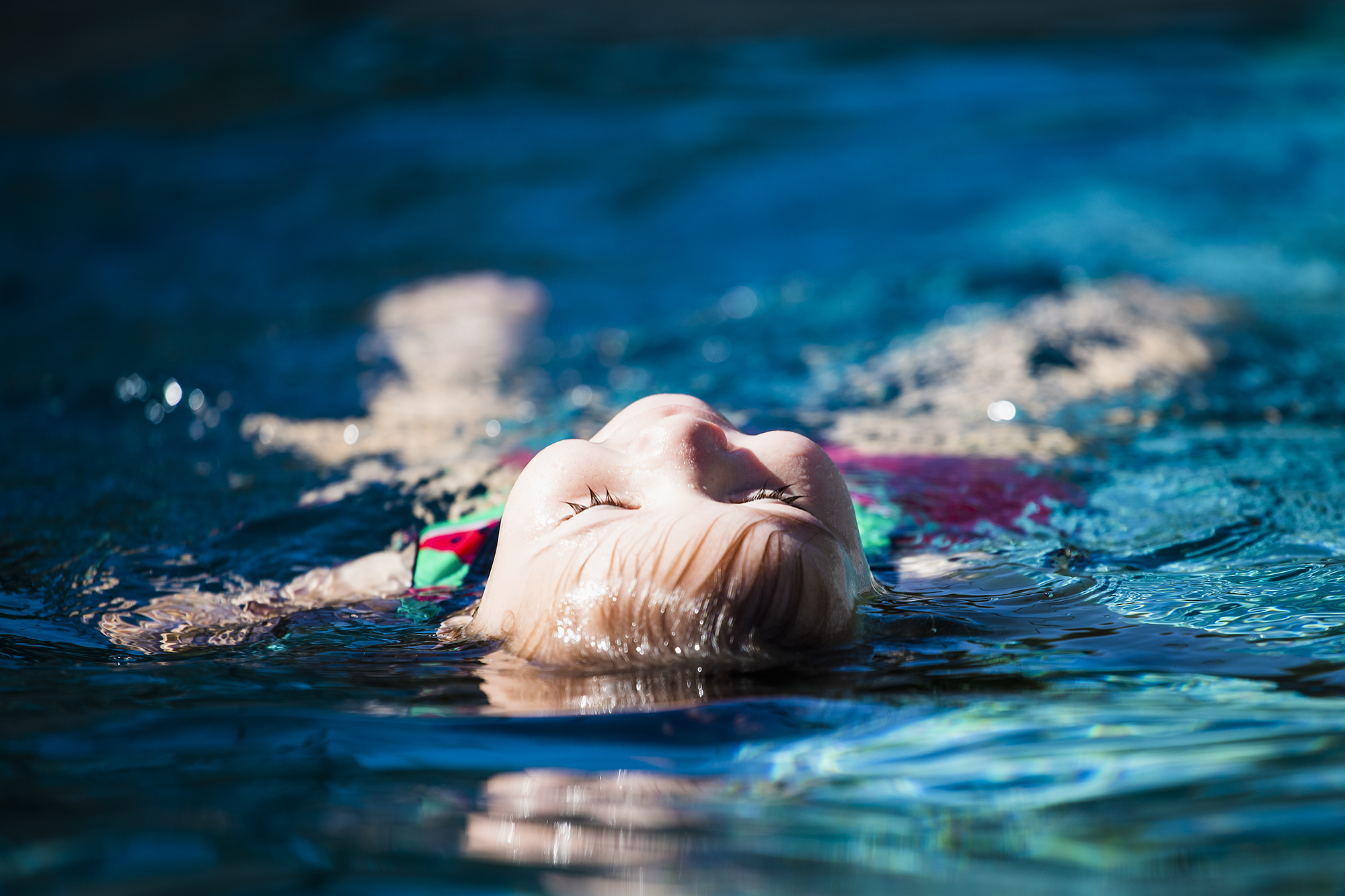
•Lessons for a 6-12 month old focus on teaching the child to roll onto their back to float, rest and breathe, and to be able to maintain this lifesaving position until help arrives. 

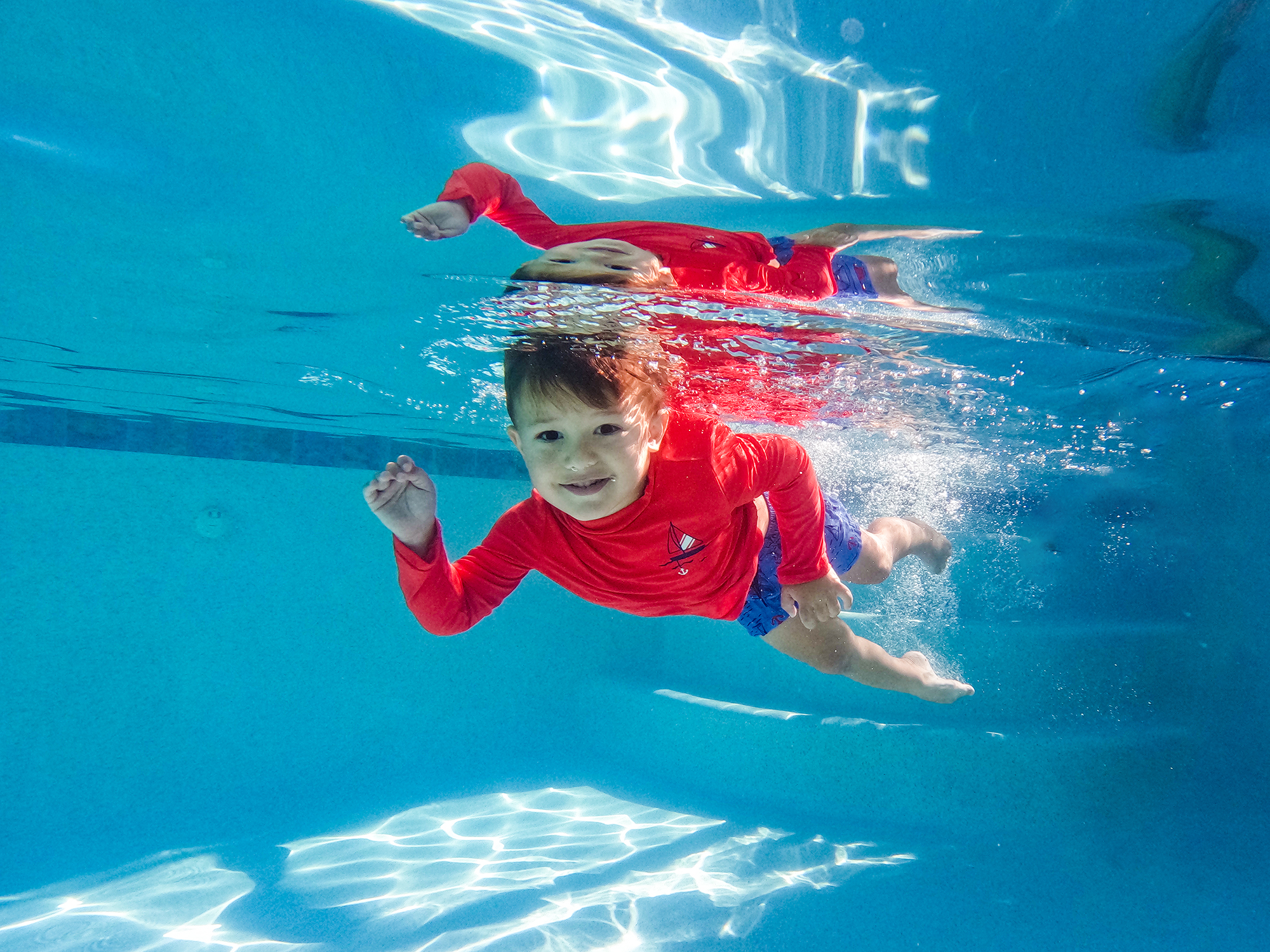
•Lessons for children 1-6 years old focus on teaching the swim-float-swim survival sequence. 
Children learn to swim with their head down; roll onto their back to float, rest, and breathe; and roll back over to resume swimming until they reach the side of the pool, where they can either crawl out or continue until they can be rescued.

Once the children are fully skilled they will practice ISR’s survival techniques fully clothed during lessons. It is recommended that children complete refresher lessons to help their in-water skill level grow with their physical development.
Refresher Lessons

After students complete swim-float-swim lessons, ISR recommends that students complete a 2-week refresher course once per calendar year until they turn 6 years old. These refresher courses help children to adapt the skills they have learned as their body continues to grow, so they can continue to be safe in the water!

Maintenance Lessons

Maintenance lessons are a form of refresher lessons that may be offered if there is appropriate space in my session. Maintenance lessons are typically 2 to 3 days a week (rather than 5 days a week) for 10-15 lessons depending on the child's needs. They serve the same purpose as the 2-week refresher course!

FAQs
How is it that babies can learn to respond to the danger of water when they fall in?
A baby does not need to perceive danger or be afraid to respond appropriately to being underwater. If a baby has learned to roll over and float when he needs air, he doesn't need to perceive danger in order to respond in this manner. He needs skill, practice and confidence to calmly deal with the situation.
Can’t babies swim naturally?
Unfortunately, babies cannot naturally swim. If this were the case, there wouldn’t be so many drownings every year. According to the Center for Disease Control and Accident Prevention, drowning is the leading cause of accidental death for children ages 1-4 in the United States.
How can you teach babies and young children to swim?
ISR instructors teach infants to swim by honoring each child's individual strengths and experiences. They understand the fundamentals of the behavioral sciences, child development and of sensori-motor learning as it relates to the acquisition of aquatic survival skills; they use this education to guide each child through the sequence of learning to swim and float.
Do you have children that just can’t learn the skills?
No. Every child can learn. It is my job to find the best way to communicate the information so that it makes sense to the child. I set your child up to be successful every time you bring them to me. I start where they are and through consistent lessons, we see progress.

Reach out today

Discover more about our programs and how we can help you.